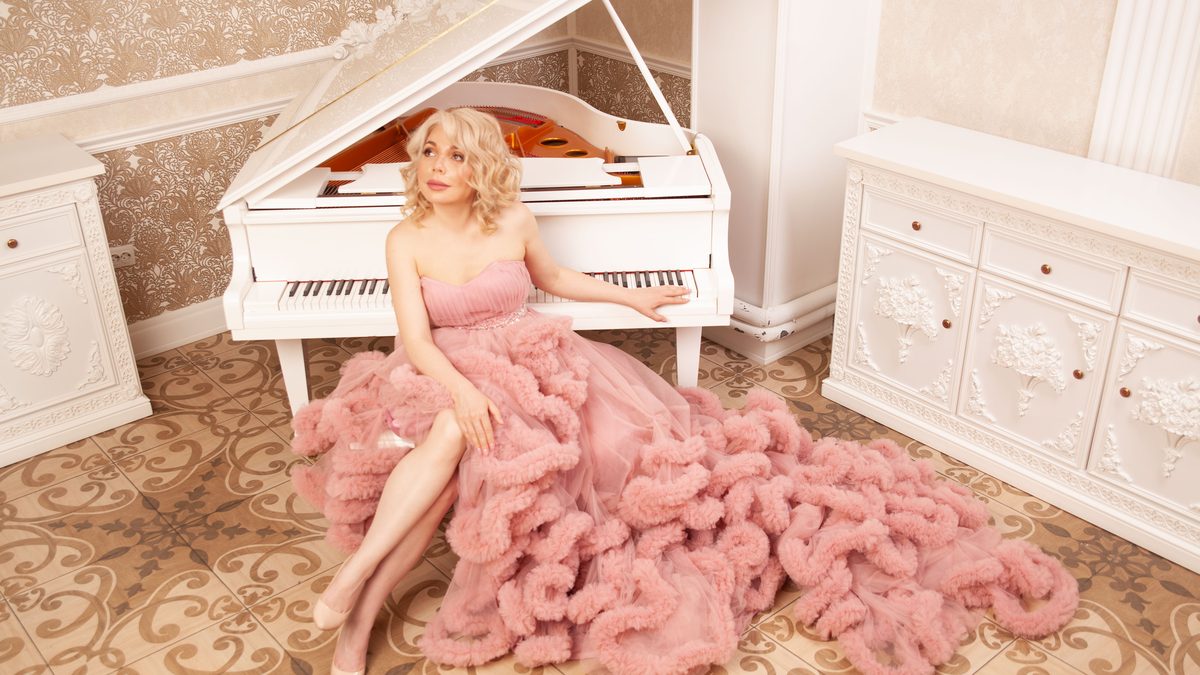
American adults often arrive at their first lesson slightly apologetic. They tell me they are not musical, that they were never any good at this, that they missed their chance. And when I ask what happened in their childhood music class, the answer is nearly always the same: a recorder, a term of it, and nothing since.
I was trained in a different system, and I want to describe it plainly — not to say it is superior, because in some respects it is not, but because it explains something that adults keep mistaking for a personal deficiency. What you are missing is not talent. It is three specific pieces of training that a child in Moscow, Warsaw or Milan is simply given, and that an American beginner is rarely offered at all.
All three can be added by an adult. None of them requires a teacher in the room. They cost about ten minutes a day between them.
One: the ear comes before the eye
In the school I attended, a beginning child does not read music in their first weeks. They listen to a short tune, they sing it back, and only then do they find it on the keyboard with one finger. The printed note arrives afterwards, as a way of writing down something the child already knows.
The American beginning usually runs the other way round: here is the staff, here is middle C, press this. It is far quicker to get a first tune out of a beginner that way, which is exactly why the method books do it, and I do not blame them. But the order leaves a specific hole. A student trained eye-first can play what is printed and cannot hear whether it was right.
How to add it, ten minutes a week: before you play a new piece, hum it twice, all the way through. If you cannot hum it, you do not yet know what you are trying to play and your fingers will be guessing. This single habit changes more in an adult's playing than any exercise I know.
Two: you sing it, out loud, with the note names
The European system calls this solfège and gives it its own lesson, its own teacher and its own examination — years of it. A child sings a melody using the names of the notes, and so the name, the sound and the position on the page fuse into one thing rather than three.
Almost no American adult beginner has done this, and the consequence is very consistent. They can find a note by counting up from a landmark — C, D, E, that one — but they cannot yet look at a note and simply know it, the way you know a written word without spelling it out. Counting works, and it is slow, and it collapses the moment the music speeds up.
How to add it, five minutes a day: take the line you are working on and say the note names aloud, in rhythm, without playing. Then sing them on any pitch you like — nobody is listening, and the tune of your voice matters far less than the naming. Adults find this uncomfortable for about four days and then find that the page has started to read itself.
Three: counting out loud is not optional, and it is never outgrown
In a European music school a child counts aloud from the first lesson, and goes on counting aloud far longer than an American beginner would expect. It is not a crutch for the untalented; it is how a pulse gets from an idea into a body.
What I see in adults who were never asked to do it is a very particular pattern: the rhythm is beautiful where the notes are easy and wrong where they are hard. That is not a rhythm problem. It is a beat that lives in the fingers instead of in the body, so it speeds up whenever the fingers feel confident and slows when they do not.
How to add it, every session: count the beats aloud while you play, at whatever speed lets you keep both going. If you cannot count and play at once, the tempo is too fast — that is the test, and it is a reliable one. I have written about the right way to do this in a separate article on counting out loud.
What the American system gives you that mine did not
I do not want to leave you with the idea that one tradition simply won. The American method book is the best-organized beginner's sequence in the world: one idea at a time, in a sensible order, with a tune you recognize arriving as the reward. Nothing in my own childhood was as well designed for a beginner who has no teacher. And the American attitude to adult beginners — that a person may take up an instrument at fifty-five purely because they want to — is far healthier than the professional-track seriousness I grew up inside, which quietly told children that if you were not going to be excellent there was little point.
So use both. The book for what to learn next; these three habits for how to hear what you are learning. That combination is not a compromise between two schools. It is what any good teacher does standing next to the piano, and it is what I built my free course to do for adults who have no teacher standing there at all.
And if you want to know whether the habits are taking hold, film one minute and send it to me. Hearing yourself is the one part of this you genuinely cannot do alone.