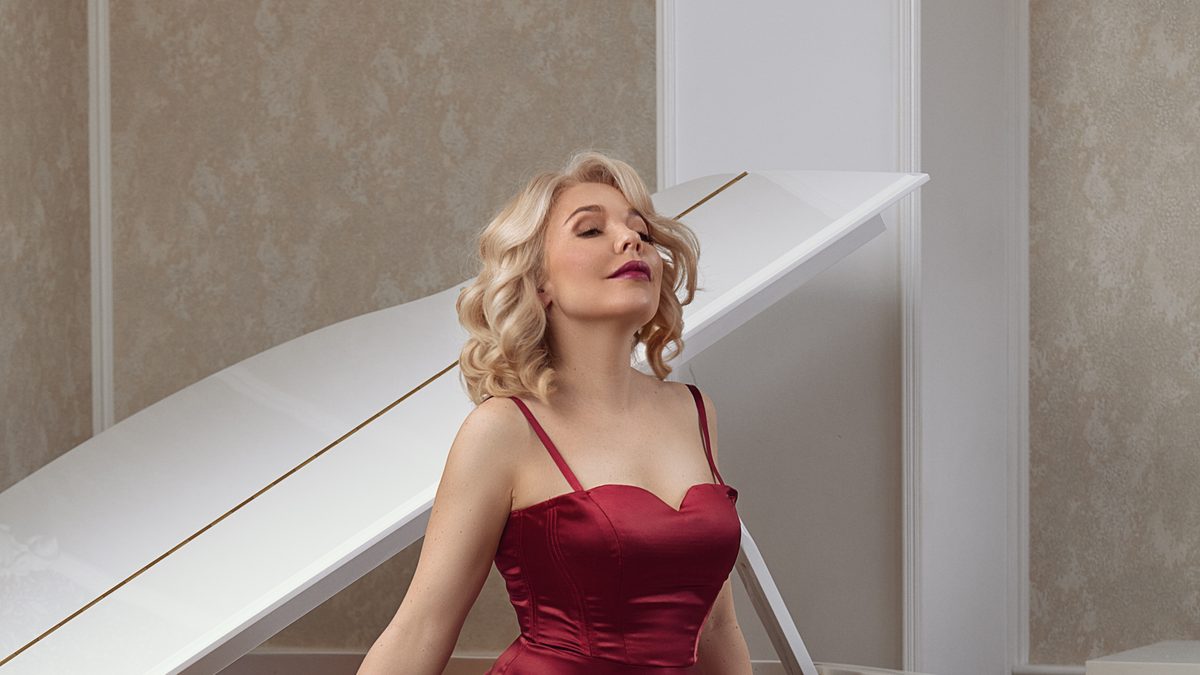
As a child I stepped onto a stage as the soloist with a symphony orchestra, and I have gone on to perform concertos by Grieg, Mozart and Beethoven. People often ask what it feels like. The honest answer is that it feels less like performing alone and more like joining a conversation that is already in progress. And that conversation holds a lesson for every adult who plays solo at home.
What a concerto soloist actually does
A solo recital is a monologue. A concerto is a dialogue. The pianist and the orchestra pass material back and forth: the orchestra states a theme, the piano answers it, the two combine, the piano goes off on its own and the orchestra waits. In Grieg’s concerto, for example, the piano enters almost at once with a dramatic gesture right after a roll on the timpani, and then the orchestra takes up the theme. In Mozart, the orchestra often sets the scene first, so the soloist has to enter in the character already established. In Beethoven, soloist and orchestra are closer to equals, each with an argument to make.
In every case the soloist is not simply the loudest voice. The soloist is the person responsible for the shape of the whole, and that depends on listening.
How the soloist and the orchestra listen to each other
The word “ensemble” sounds like something that happens between several equal players. But a pianist with an orchestra is in an ensemble just as much as a string quartet is. A few things happen constantly:
- The soloist listens to the orchestra’s sound before entering. The tempo, the weight and the color of the last orchestral bar tell you how to begin. You do not impose your entrance on the music; you receive it.
- The orchestra follows the soloist’s breathing. When the pianist stretches a phrase, the conductor and players feel it in the way the pianist prepares the note. A clear, unhurried preparation makes the orchestra’s job possible.
- Everyone matches the same pulse. The pulse is not in the metronome; it lives between the players, and each one adjusts to it continuously.
- Balance is a shared decision. When the orchestra has the melody, the piano supports it. When the piano has the melody, the orchestra becomes the background. Knowing who leads at each moment is a listening skill, not a counting one.
Rehearsal with an orchestra is largely spent on exactly these things. Very little of it is about whether the notes are correct. Those were settled long before.
What this has to do with playing alone
You might think none of this concerns you. You are an adult learning at home, with a digital piano and a method book. But everything above applies to a single pair of hands, because a solo pianist is also several players at once: a melody, an accompaniment, a bass line, a pulse. Many adult learners play all of these at the same volume, as if they were one voice, and the music becomes flat.
Think of your left hand as the orchestra and your right hand as the soloist, or the other way around depending on the piece. Then ask the questions an ensemble asks.
Four ways to practice ensemble listening alone
- Play the voices separately, then together. Play only the left hand and make it sound like a good accompanist: steady, quiet, supportive. Then add the right hand and keep that quality.
- Decide who has the melody in each phrase. Mark it in pencil. The leading voice gets slightly more weight; the others lower themselves. This one habit changes how a piece sounds more than almost anything.
- Sing along or hum the tune. A singer breathes between phrases. If your playing does not, you will hear it immediately.
- Play along with a recording, softly. Choose a simple piece and listen to how a good pianist and, if there is one, an ensemble place the beat together. Try to blend in rather than to lead.
The soloist’s secret is generosity
The best concerto performances I know do not feel like a pianist competing with an orchestra. They feel like a pianist who has listened so thoroughly that the orchestra and the piano seem to be breathing together. That generosity of attention is the real technique, and it is available to you at any age and at any level. It begins with something very simple: before you play the next note, listen to what is already sounding.
This is also where the Russian school’s emphasis on the ear comes from. When you hear the sound first and let the arm follow, you leave room in your attention for the other voices, whether they belong to an orchestra or to your own left hand.
If you would like a guided path, start with the free course. And when you have something you can play, record it and send me a recording for free written feedback — I will listen the way a teacher listens, for the sound first.