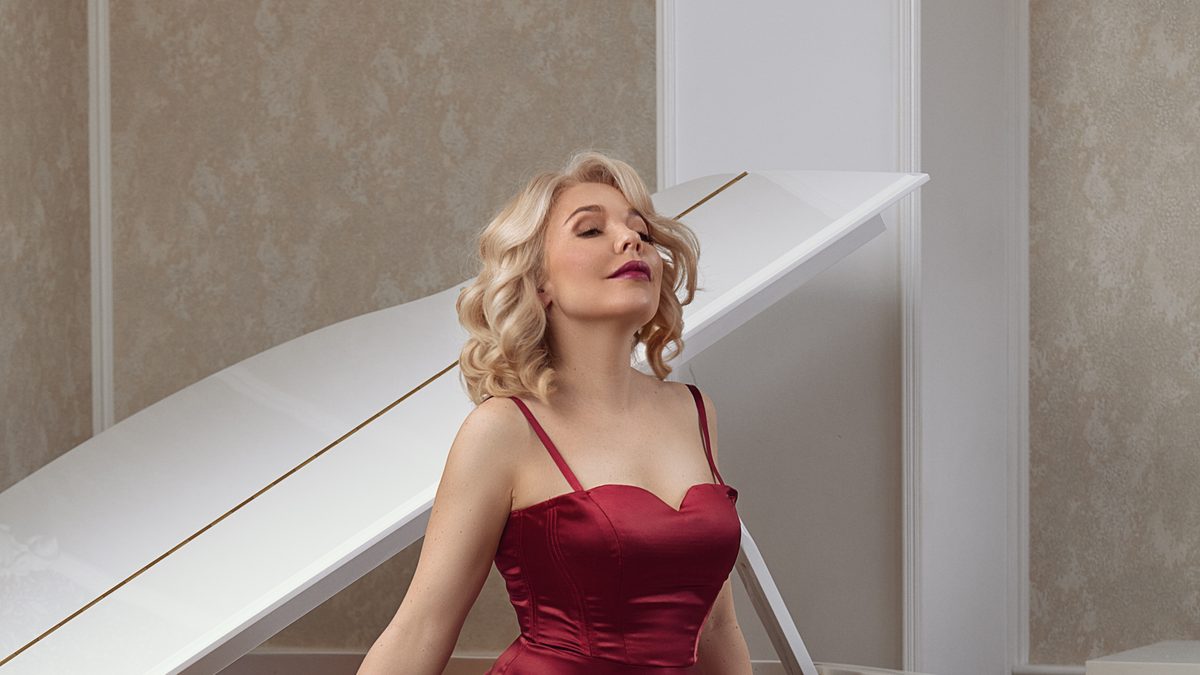
After top honors at the First International Tchaikovsky Youth Competition in Moscow, I was invited to the Central Music School of the Moscow Tchaikovsky Conservatory. Many people have heard of it only as a name that appears in the biographies of famous pianists and violinists. Let me tell you what kind of place it is, and then, more usefully, what you can borrow from it at home.
What the school is
The Central Music School is a school for musically gifted children attached to the Moscow Conservatory. It is a boarding school, so children who come from other cities can live and study there. It belongs to a wider system in Russia and the former Soviet republics: special music schools where children receive their ordinary general education and, alongside it, serious professional musical training from an early age.
The central idea is simple and bold. Music is not an after-school activity. It is a second curriculum, taught with the same rigor as mathematics or literature.
How the training is built
Without going into any single school’s timetable, special music schools of this kind share a recognizable structure. Alongside academic subjects, pupils study:
- Their instrument. Individual lessons with a specialist teacher, and a steady, daily habit of work at the instrument.
- Solfege. Ear training and sight-singing: hearing intervals, singing melodies from the page, writing down what you hear.
- Music literature. The history of music and its masterpieces, so that a pupil knows where a piece comes from and who wrote it.
- Music theory and harmony. Understanding how the notes are organized, not only which keys to press.
- Ensemble and chamber playing. Making music with others, listening and adjusting in real time.
The point I want you to notice is that the piano lesson is only one part. The child is being trained as a musician, whose ear, mind and hands develop together, and not only as a keyboard operator.
What it felt like to be there
I will not romanticize it, and I will not invent stories for effect. What I can say plainly is that being surrounded by serious young musicians changes your sense of what is normal. Playing in tune with your ear, knowing the history of what you play and explaining your choices were simply ordinary expectations. My formative teacher there, Manana Kandelaki, a pupil of Tatiana Nikolayeva, held that standard with great conviction, and I studied regularly with Ilya Romanovich Klyachko as well.
What an adult beginner can borrow
You are not going to enroll in a boarding school, and you do not need to. But the structure translates very well into a home routine for an adult:
- Treat the ear as a subject. Spend a few minutes each day singing or humming a short melody, then finding it on the keyboard. This is solfege in miniature, and it makes reading and memorizing easier.
- Learn the story of what you play. Look up who wrote your piece and what kind of piece it is. Music literature is not a luxury. It makes the music make sense.
- Understand the notes, not just the keys. Notice which chords your piece uses and where it changes. Even a little theory turns memorizing into knowing.
- Make music with someone. Play a simple duet with a friend, a teacher or a recording. Ensemble teaches listening faster than almost anything.
- Work daily, briefly. Short, regular sessions beat one long weekend marathon. Consistency is what the special schools understood best.
- Judge by sound. Listen to your own playing, record it and ask whether it sounds the way you imagined.
What not to borrow
The old Russian system could be demanding to the point of harshness, and I do not recommend recreating that for adults. You come to the piano out of love and curiosity, and your learning should stay warm. Borrow the structure and the seriousness. Leave behind the pressure.
The real lesson
Children in these schools become strong musicians not because they have a special gift alone, but because the surrounding system teaches them to hear, to understand and to play together, every day. Adults can build a small version of that system in any living room.
If you want to see how I put these ideas into practice for grown-up beginners, compare this with my article on what European music schools teach that American adults missed.
If you would like to begin with a teacher who takes these questions seriously, start with my free course. And when you have something you can play, send me a recording and I will write you free, honest feedback.