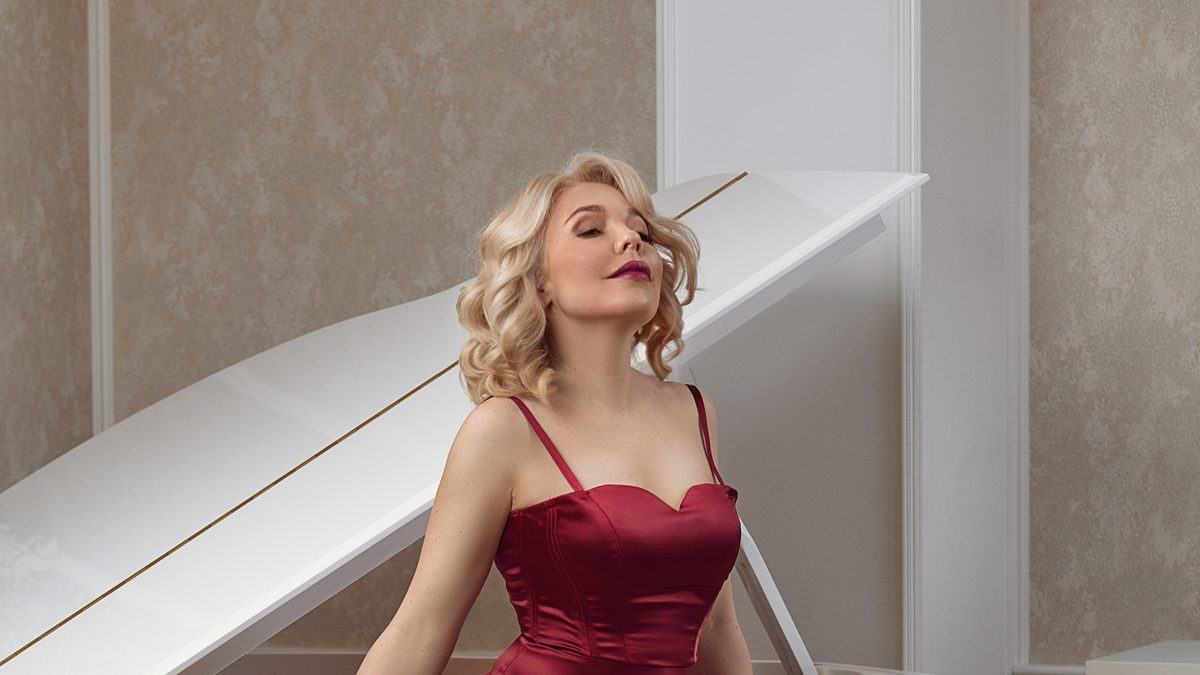
I was born in Siberia, and the piano came into my life early. I began at five. At seven I gave my first solo recital, and by the time most children are learning to read comfortably I was playing concertos with symphony orchestras. I tell you this not to impress you but because the rest of this article only makes sense if you know where I started.
What a childhood at the piano looks like
People imagine a child prodigy as someone for whom everything is easy. That is not how I remember it, and I do not want to pretend otherwise. What I remember is a life organized around sound. I remember listening before I understood why I was listening. I remember teachers who expected me to hear what I played, not merely to move my fingers in the right order.
In Siberia I was recognized early as a gifted child, and that recognition opened doors. After top honors at the First International Tchaikovsky Youth Competition in Moscow, I was invited to the Central Music School of the Moscow Tchaikovsky Conservatory. This is a boarding school for gifted children, attached to the Conservatory itself. For a child from Siberia, it was a new world, and it shaped everything that came after.
What starting early actually gives you
I want to be precise here, because adults hear a great deal of nonsense on this subject. Starting early gives a child a few real things:
- Time. A child can spend years building habits slowly, without any pressure to be good by next month.
- Physical familiarity. The keyboard becomes a place where the hands feel at home.
- Immersion. A child surrounded by music, teachers and listening absorbs a great deal without trying.
Those are advantages of circumstance. They are not advantages of intelligence, talent or character, and they are certainly not the only road to playing beautifully.
What starting early does not mean
It does not mean that the child understands the music better. A seven-year-old playing a recital is doing something remarkable, but the child does not yet know what an adult knows about longing, humor, loss or patience. Those things go into the sound later, and they go in through living.
It does not mean that a late beginner has missed a window that has now closed. I have spent my working life teaching adults who were sure it was too late, and I have watched them prove themselves wrong again and again. Adults are not behind. They are on a different road, with different equipment.
The equipment an adult brings
An adult learner can read instructions, understand why a technique works, and judge their own progress honestly. An adult can sit down for a focused session and know the difference between real practice and mere repetition. An adult has heard a lifetime of music and has opinions about it. A child needs years to develop that kind of musical taste. You already have it.
What you may lack is the physical ease that comes from long familiarity, and that is exactly what good teaching and patient practice build. It comes more slowly than it does for a child, but it does come. I have seen it arrive in people who began with stiff, hesitant hands and a sincere belief that they simply were not musical.
What I would tell my younger self, and you
When I look back at that girl from Siberia, I do not see someone who was ahead of everyone else. I see someone who was given early, steady access to good listening and good teaching. That access is what mattered, and it is still available to you today.
So when you catch yourself thinking that you started too late, try replacing the thought with a more useful question: what do I need to hear, to see and to practice today? A child prodigy and an adult beginner both answer that question the same way. They sit at the instrument, they listen carefully to the sound they make, and they decide what to do next.
I say this as someone who had every early advantage, and who now spends her days with people who had none of them.
The calendar does not decide whether you can learn to play with real musicality. Your attention does, and attention is something adults have in abundance.
If you would like to start with me, the free course is the place to begin. And when you have something you can play, even a few uneven bars, send a recording through the submission page and I will write you free, honest feedback.