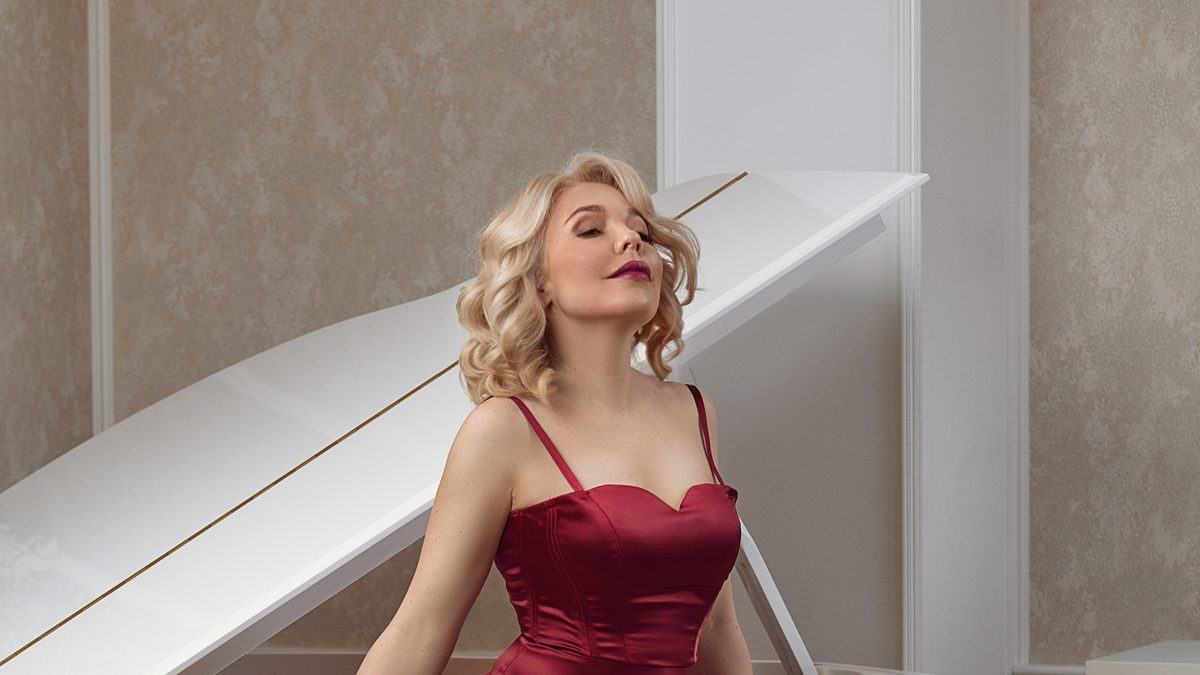
People sometimes ask me a fair question. You trained as a concert pianist from childhood, so why do you spend your time with adults who are learning from the beginning? The honest answer is that adult students are some of the most rewarding musicians I have ever worked with, and they taught me things about my own craft.
The sentence I hear most often
Nearly every adult who comes to me begins with a version of the same sentence: I always wanted to play, but I think it is too late. I have heard it so many times that I no longer find it sad. I find it a starting point. Behind that sentence is usually a person who has carried a wish for years, and who is finally ready to act on it.
My work is to show that the sentence is wrong. Not with encouragement alone, which is cheap, but with a method that makes progress visible and audible.
The method behind my teaching
The base of how I teach is the book School of Piano Playing by Alexander Alexandrovich Nikolaev, published in Moscow by Muzyka. It is a Russian classic, and its ideas are simple enough to fit in a few lines. They are also deep enough to last a lifetime.
- See it, hear it, then play it. You look at the music, you hear it in your head, and only then do your hands go to the keys. The hands follow the ear, never the other way around.
- Sound comes from the arm, not the finger. The finger is the last point of contact, but the weight, the direction and the character of a tone come from the whole arm.
- Judge by the sound, not by watching your hands. Your hands can look beautiful and produce a dull tone, or look awkward and produce a lovely one. Listen.
- Exercises come out of the piece. You do not practice dry drills in the hope that they will someday help. You take the difficulty from the music itself and work on it there.
I will not claim that this is the only valid way to teach. It is the way I was shaped by, it is the way I believe in, and it suits adults especially well, for reasons I will explain.
What adults have that children do not
Children are wonderful students, but they cannot do certain things that adults do naturally.
- They can ask why. An adult who understands why the arm carries weight into the key will apply the idea more deliberately than a child who is simply told to copy me.
- They can listen critically. You already know what a beautiful phrase sounds like. Your ear is often ahead of your hands, and that gap is exactly where good practice happens.
- They can choose. A child is often brought to the piano by a parent. An adult comes because they want to. That motivation is a real force, and it carries people through the dull stretches that every learner meets.
- They bring a life to the music. Experience of work, family, loss and joy is exactly the material a phrase is made from.
Why a concert pianist is the right person for this
There is a belief that beginners need a gentle, simple teacher and that serious training is wasted on them. I think the opposite. A beginner needs someone who knows precisely where the road leads, because every first lesson is the first step toward that destination. If a teacher understands what a fully formed sound is, then even your first minutes at the keyboard can be pointed in the right direction.
My own training taught me what good sound feels like in the arm and sounds in the room. My teaching is largely the work of translating that knowledge into steps an adult can follow, one at a time, at their own pace and on a piano of any quality.
What I ask of you
I ask for patience, which adults tend to lack with themselves, and for honesty about what you hear. I do not ask for talent. I do not ask for a particular age, a particular background, or a long history with music. I ask you to listen to your own playing as though it were someone else's, and to be curious about what you find.
That is why I teach adults. They are willing to listen, and listening is where all real piano playing begins.
If you would like to start with me, the free course is the place to begin. And when you have something you can play, even a few uneven bars, send a recording through the submission page and I will write you free, honest feedback.